La Cucina
An inside look at how we make fresh pasta, ferment pizza dough for two days, and finish every plate in the pan. No secrets — just technique, timing and a lot of flour.
I — La Pasta
Fresh egg pasta is the heart of our kitchen. It is made in small batches through the morning so that every plate at lunch and dinner is served the same day it was made.
01
We blend soft 00 flour with durum semolina and enrich it with egg yolks for a dough that is silky, golden and strong enough to hold its bite.
02
The dough is kneaded by hand for ten minutes, wrapped, and rested for at least thirty minutes so the gluten relaxes and it rolls out thin without tearing.
03
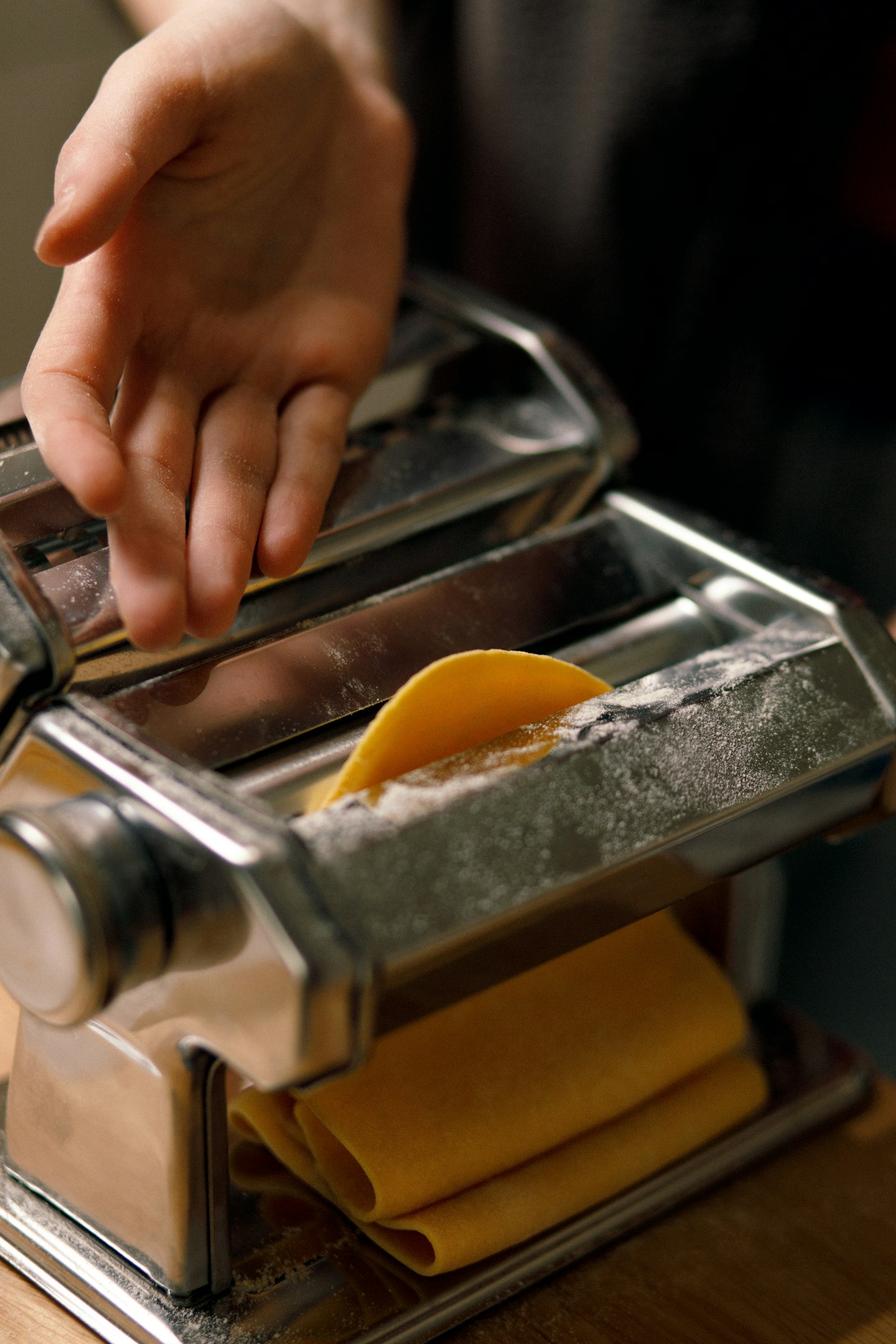
Sheets are rolled through the machine to the right thickness for each shape — thinner for ravioli, a little thicker for pappardelle — then cut and dusted with semolina.
04
Fresh pasta needs only two to three minutes. It goes straight into the pan with its sauce and a ladle of starchy water, and is tossed until glossy.
II — Le Forme
Each pasta shape is chosen for the sauce it carries. Here are the ones you will find on our menu most days.
Flat egg ribbons about 6 mm wide — made for rich meat ragù that clings to every strand.
Wide, rustic ribbons that stand up to mushrooms, cream and hearty sauces.
Square-edged thick spaghetti with a chewy bite, ideal for cacio e pepe and carbonara.
Pillows filled with ricotta and spinach, sealed by hand and served with sage butter.
Soft dumplings of potato and a little flour, rolled on a board for ridges that hold sauce.
Paper-thin sheets layered with ragù and béchamel, then baked to a golden crust.
III — Fatto a Mano
Good gnocchi should be light enough to melt and firm enough to hold a sauce. The trick is restraint: floury potatoes baked rather than boiled, riced while hot, and only as much flour as the dough asks for.
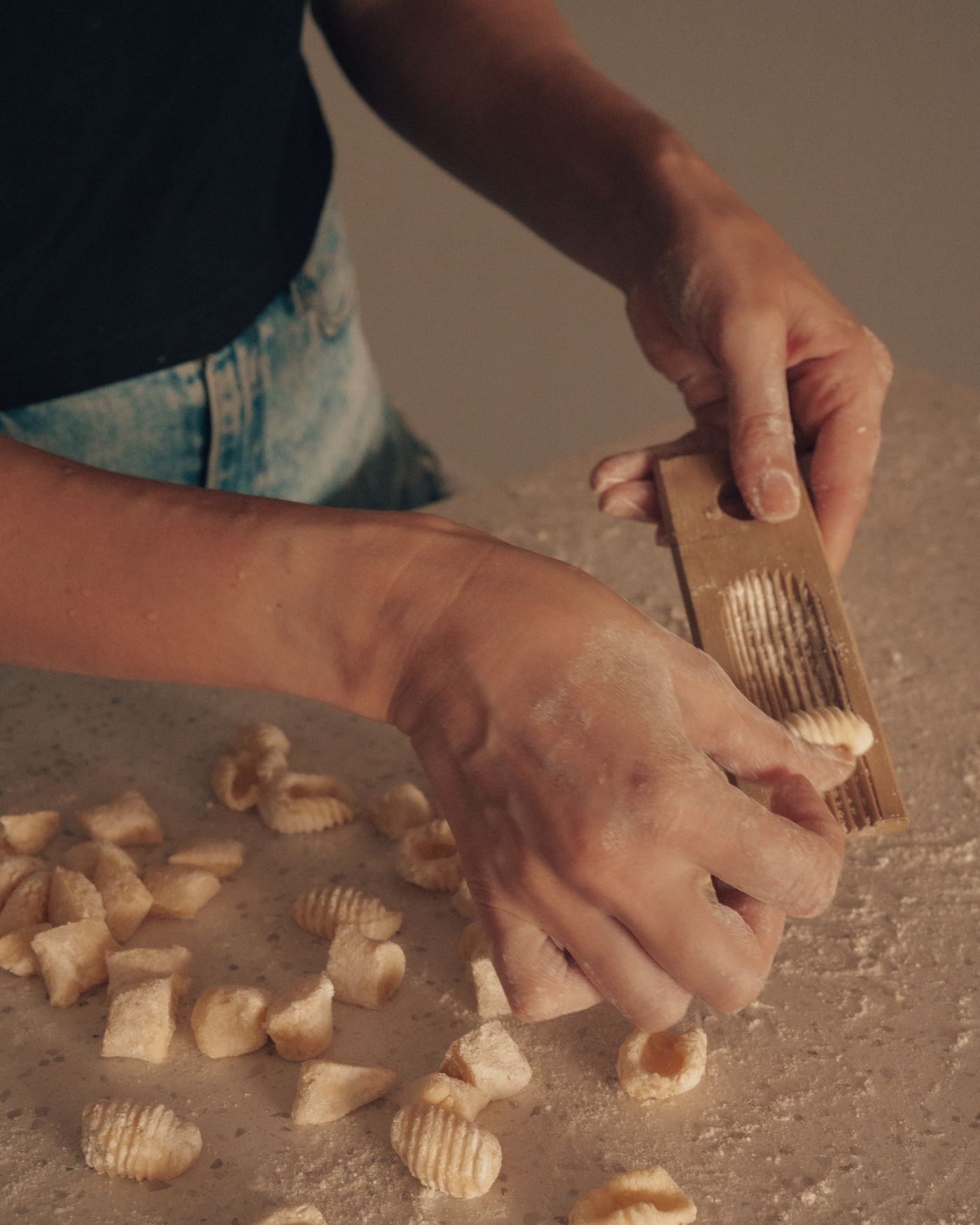
We roll each batch into ropes, cut it into pillows and press every piece against a wooden board to create the ridges that catch our slow-cooked tomato sauce. It takes time — and you can taste it.
IV — Il Forno a Legna
Our pizza dough uses just flour, water, salt and a pinch of yeast. It rests for 48 hours in a cool room, which develops flavour and breaks down the starches so the crust is airy, crisp at the edges and easy to digest.
Each ball is stretched by hand — never rolled — to keep the air in the cornicione. The hardwood fire holds the oven floor near 450°C, so a pizza is ready in about ninety seconds with the characteristic leopard spotting.
V — Il Sugo
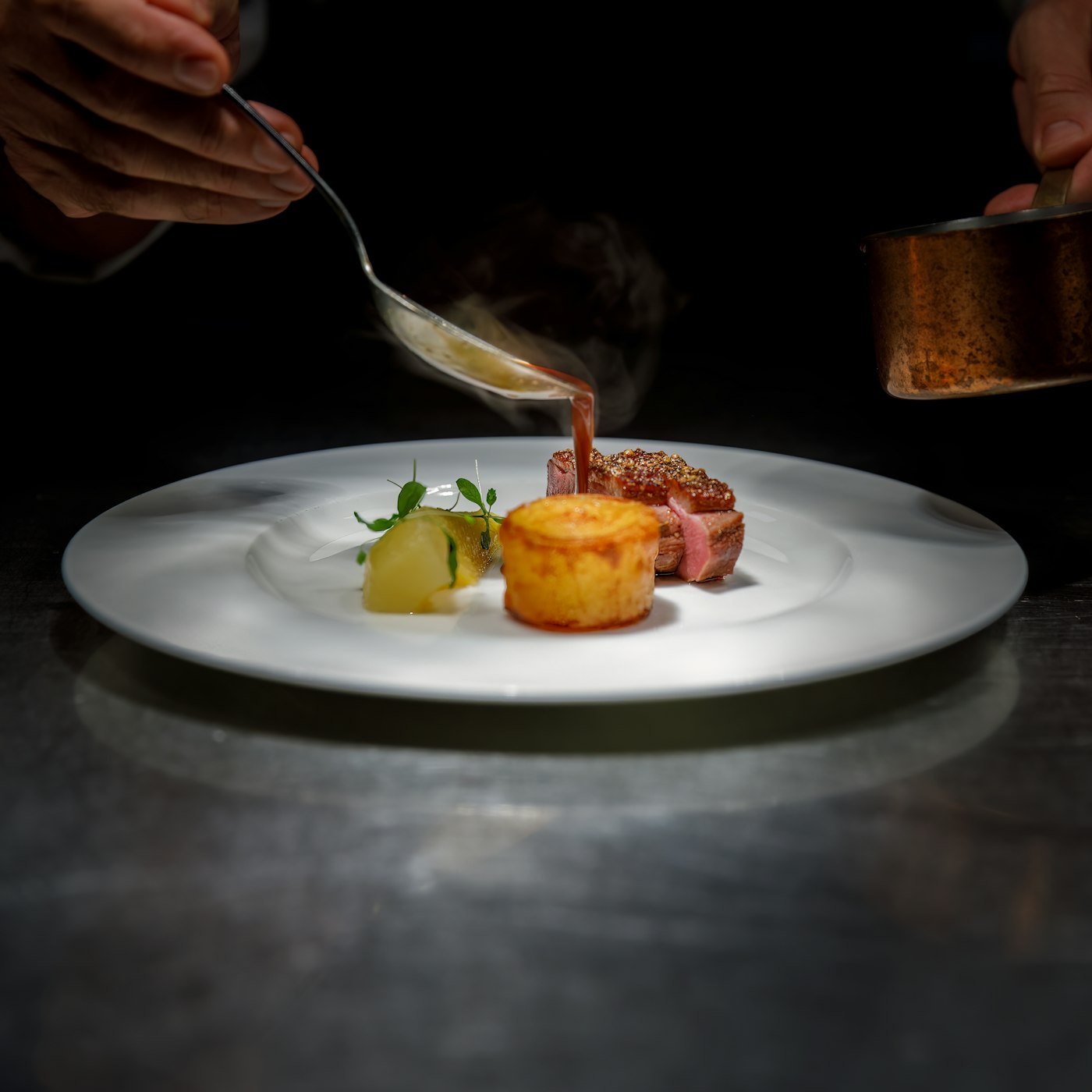
In an Italian kitchen, pasta and sauce are married in the pan. We never ladle sauce over plain pasta; instead, each portion is tossed with its sauce, a little cooking water and a knob of butter or cheese until it turns creamy and glossy.
Our sauces are built from whole ingredients: tomatoes simmered slowly with olive oil and garlic, beef ragù that cooks for eight hours, mushroom sauces started with a proper soffritto. Nothing comes from a jar.
VI — Standards
Strict cleaning schedules, colour-coded boards and daily checks keep our kitchen spotless from opening to close.
Fridges, freezers and cooked dishes are temperature-logged throughout the day.
Every dish has a documented allergen list, and our team is trained to prevent cross-contact.
Bread becomes crumbs, trimmings become stock, and we prep to bookings to avoid throwing food away.
A Tavola
Book a table and watch the oven at work — the best seats face the kitchen.